
Everything You Need to Know About Shipping Mercury UV Lamps Safely
You order a UV lamp.
It gets packed, collected by a courier and a few days later it arrives on your doorstep.
Simple… right?
Not always.
 For many medium-pressure UV lamps, there’s a lot more happening behind the scenes than most customers ever realise. If a shipment is travelling by air and contains enough mercury, it may be classified as Dangerous Goods (DG). That means strict international rules kick in, changing everything from how it’s packaged to how it’s labelled and who can transport it.
At Alpha-Cure, we deal with this every day. It’s not just about ticking boxes. It’s about protecting people, protecting the environment and making sure your order gets where it needs to go without delays or costly problems.
So, what makes a UV lamp Dangerous Goods?
Mercury is what allows medium-pressure UV lamps to produce the powerful ultraviolet light needed for water disinfection, air purification and a host of industrial applications.
That mercury is safely sealed inside the lamp during normal operation. The challenge comes when the lamp needs to be transported.
If the shipment is travelling by sea then it is rarely, if at all, classified as dangerous goods but if it is travelling by air, Dangerous Goods regulations apply when:
- An individual lamp contains 1 gram or more of mercury, or
- The total mercury content across the consignment exceeds 30 grams.
In other words, you might have a perfectly compliant lamp, but once several lamps are packed together for air freight, the entire shipment can fall under Dangerous Goods regulations.
That’s why every order needs to be checked before it leaves the factory.
Why all the fuss?
Because accidents happen.
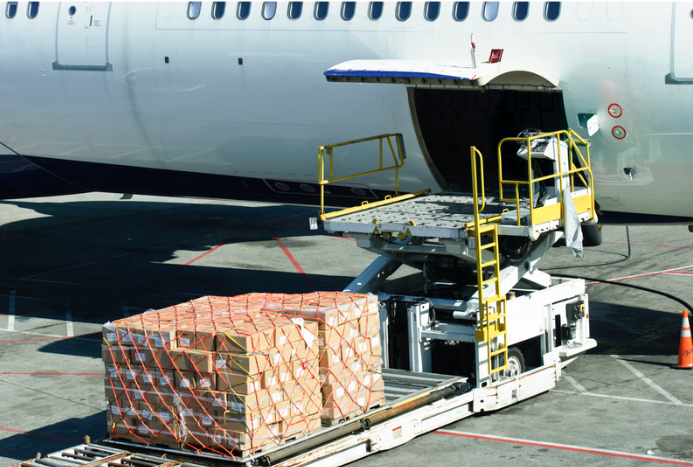 Packages get dropped. Pallets get damaged. Aircraft cargo moves thousands of miles through multiple airports and distribution hubs.
If a mercury-containing lamp breaks during transport, there is a risk to the people handling it and to the environment.
Dangerous Goods regulations exist to minimise that risk by making sure shipments are packed, labelled and transported correctly.
They protect everyone involved, from warehouse staff and freight handlers to airline crews and emergency responders.
What changes when a shipment is classed as DG?
Quite a lot.
A Dangerous Goods shipment can’t simply be boxed up and sent with the next courier collection.
It may require:
- Specialist protective packaging
- Approved labels and hazard markings
- Dangerous Goods documentation
- Certified staff to prepare the shipment
- Approved freight carriers
- Additional transport checks before dispatch
It takes more planning, more paperwork and more care, but that’s exactly how it should be.
Is there another option?

Often, yes.
If delivery times allow, shipping by sea is frequently the easiest solution for larger orders because different transport regulations apply.
For air freight, another option may be to split a large order into multiple separate consignments, ensuring that each individual shipment remains below the applicable 30g mercury limits – but only if every lamp in the consignment contains less than 1g of mercury.
It’s not about finding loopholes. It’s about choosing the safest and most appropriate transport method for every order.
That’s exactly what we help our customers do.
Why Alpha-Cure takes this seriously
Anyone can manufacture a UV lamp.
Making sure it reaches the customer safely is another matter.
At Alpha-Cure, every shipment is reviewed before dispatch. We assess the mercury content, the destination and the transport method before deciding the safest and most compliant way to ship it.
We’ve invested heavily in:
- Dangerous Goods training for our team
- Specialist packaging systems
- Compliant shipping procedures
- Up-to-date knowledge of international transport regulations
It’s work most customers never see, but it’s work we’re proud to do.
Because when your shipment arrives on time without delays or customs issues, that’s not luck. That’s preparation.
What happens if someone ignores the rules?
This is where things get expensive.
Sending a Dangerous Goods shipment as an ordinary parcel isn’t just bad practice. It can have serious consequences.
Depending on the circumstances, it could lead to:
- Shipments being rejected or destroyed
- Customs delays
- Missed project deadlines
- Regulatory investigations
- Significant financial penalties
- Insurance claims being refused
- Damage to a company’s reputation
And if an undeclared shipment contributes to an accident, the consequences become much more serious.
Simply put, it’s never worth the risk.
Safe packaging doesn’t happen by accident
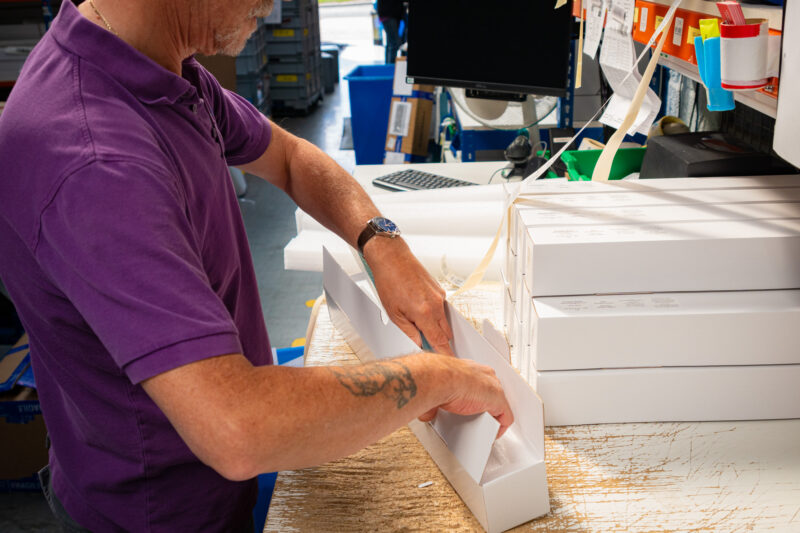 One of the biggest investments we’ve made is in our packaging.
A UV lamp travelling halfway around the world might pass through several warehouses, airports, freight terminals and delivery vehicles before it reaches its final destination.
It needs packaging that’s designed to cope with that journey.
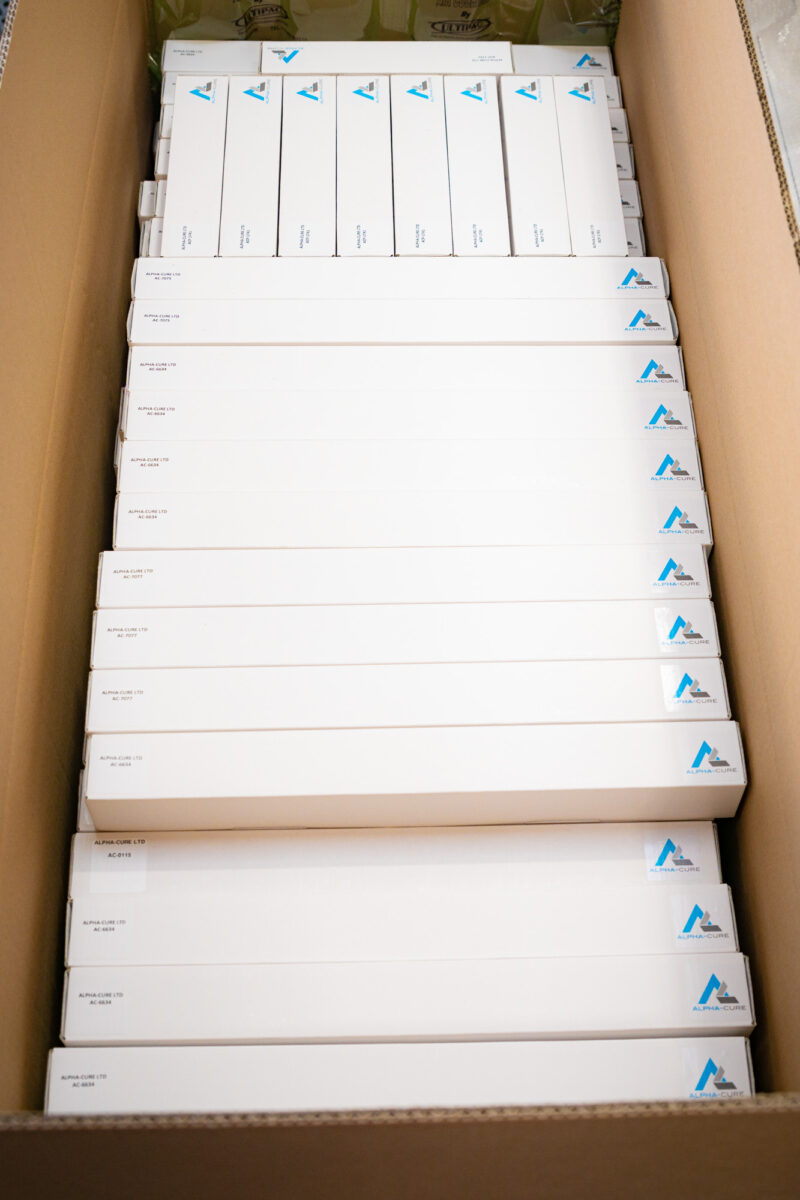
That’s why we’ve spent considerable time developing compliant packaging systems and ensuring our team is trained to prepare every shipment correctly.
It’s one of those things customers rarely notice… until something goes wrong.
Our aim is to make sure it never does.
Frequently Asked Questions
Why isn’t every UV lamp Dangerous Goods?
Because it depends on how it’s being transported and how much mercury is in the shipment. Air freight has different rules to sea freight, and every shipment is assessed individually.
Can I still have my order delivered by air?
 Absolutely.
If the shipment falls within the regulations, it can be shipped by air. If not, we can often recommend alternative options, including splitting consignments or using sea freight.
Does Dangerous Goods mean the lamp is dangerous to use?
No.
Dangerous Goods classification is about transport, not operation. Once installed correctly, the lamp operates exactly as it was designed to.
Why not just send everything by sea?
Sea freight is an excellent option for larger orders, but it isn’t always practical. Customers often need lamps quickly, so air freight remains the quickest choice.
Why should I care about any of this?
Because compliance protects your shipment.
It reduces delays, avoids unnecessary costs and gives you confidence that your order has been handled properly from the moment it leaves our factory.
The Bottom Line
Shipping a UV lamp isn’t always as simple as putting it in a box.
When mercury is involved, every shipment needs to be assessed, packaged and transported with care.
At Alpha-Cure, that’s exactly what we do.
From the moment your order is placed to the moment it arrives, we’re focused on one thing: making sure your UV lamps get to you safely, compliantly and ready to perform.
It’s an investment in quality that our customers may never see, but it’s one they benefit from every single time an order arrives exactly as it should.
Contact the Alpha-Cure team if you have any questions over your order or shipment options.
Latest Articles
What Actually Happens Inside a Medium-Pressure UV Lamp?
A medium-pressure UV lamp produces ultraviolet radiation by creating an electrical discharge through...
View ArticleAre Cheap UV Curing Lamps Really Cheaper in the Long Run?
Are Cheap UV Curing Lamps Really Cheaper in the Long Run? Not necessarily. While a cheaper UV lamp m...
View ArticleFaulty UV Lamp? Here’s How Alpha-Cure Makes the Returns Process Simple and Efficient
When a UV lamp fails unexpectedly, production downtime can be frustrating and costly. At Alpha-Cure,...
View ArticleWomen at Alpha-Cure: Driving Engineering Intelligence Every Day
Engineering Intelligence at Every Level: How Women Help Drive Alpha-Cure’s Success On 23 June,...
View Article