
Most operators know when a UV lamp is reaching the end of it’s life.
Output drops. Cure quality suffers. Alarms start flashing.
What’s easier to miss is that many UV curing issues have nothing to do with the lamp itself.
In reality, system performance is just as dependent on the condition of the components that support, protect and power that lamp. Reflectors, quartz plates, cooling tubes and power supplies can all degrade over time. When they do, even a brand-new lamp will underperform.
Below is a practical look at why these accessories matter, what to check and when cleaning or replacement should be part of your maintenance routine.
Reflectors: Where Your UV Output Really Goes
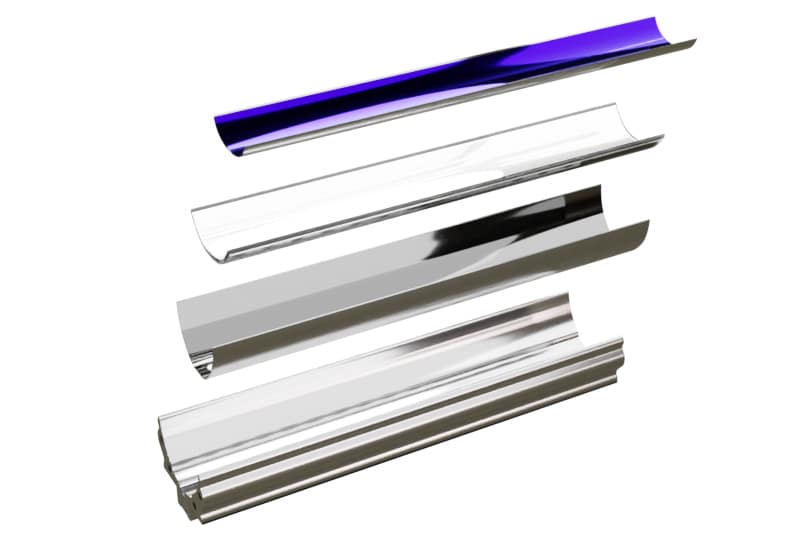 Reflectors are designed to direct UV energy onto the substrate, not lose it inside the housing. Over time, they can suffer from:
-
Oxidation and surface dulling
-
Ink, varnish and adhesive contamination
-
Heat-related distortion
Even minor contamination can significantly reduce usable UV intensity. Operators often compensate by increasing power or slowing line speed, which increases energy costs and heat stress on the system.
Maintenance checks
-
Inspect reflector surfaces during lamp changes
-
Look for dull areas, spotting or flaking
-
Confirm correct alignment after refitting
Cleaning
-
Use approved reflector cleaning products only
-
Never use abrasive cloths or aggressive solvents
When to replace
-
When reflectivity cannot be restored
-
If surface damage or warping is visible
Quartz Plates: Clear Protection That Directly Affects Cure Quality
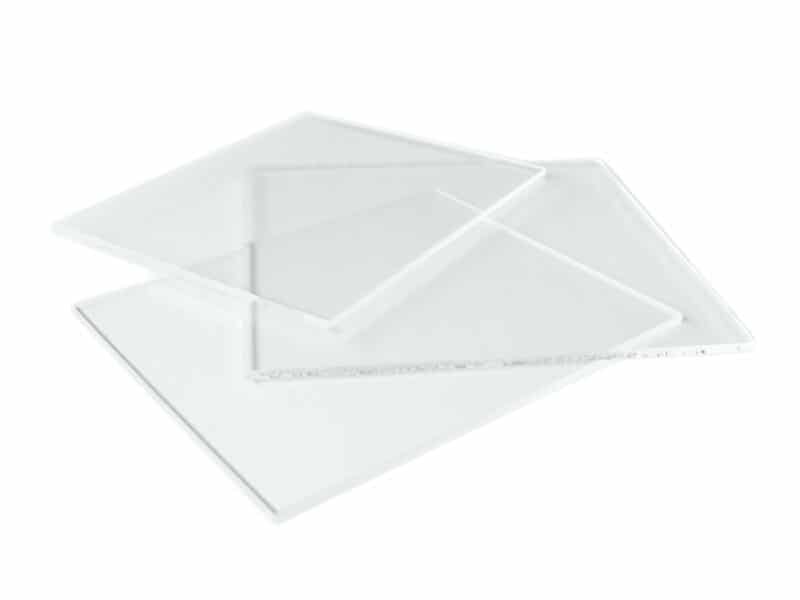 Quartz plates sit between the UV lamp and the process, acting as a protective barrier while allowing UV energy to pass through to the substrate. Their role is simple, but their condition has a direct impact on curing performance.
Over time, quartz plates are exposed to:
-
Ink mist, coating vapours and airborne contamination
-
Heat cycling from repeated start-ups and shutdowns
-
Improper cleaning methods that cause fine surface damage
Even slight clouding or surface degradation reduces UV transmission. This loss is gradual, which makes it easy to overlook until cure quality starts to drift.
Maintenance checks
-
Inspect quartz plates regularly under good lighting
-
Look for hazing, staining or visible surface marks
-
Check that plates are seated correctly and seals are intact
Cleaning
-
Clean using lint-free wipes and quartz-approved cleaning solutions
-
Avoid abrasive materials and aggressive chemicals
-
Never handle quartz plates with bare hands
When to replace
-
When contamination cannot be fully removed
-
If the surface shows scratches, devitrification or permanent clouding
-
If repeated cleaning no longer restores UV transmission
Quartz plates are a consumable component. Keeping them clean and replacing them when necessary ensures that the UV energy you are generating actually reaches the product, rather than being lost before it gets there.
Quartz Cooling Tubes: Small Part, Big Consequences
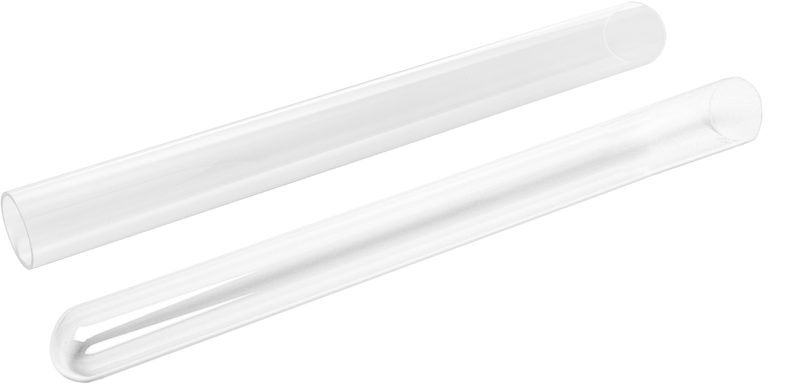 Cooling tubes are used to help manage lamp temperature. When airflow is restricted or uneven, problems escalate fast.
Typical issues include:
-
Dust and debris build-up
-
Heat-induced discolouration
-
Cracks or deformation
Poor cooling shortens lamp life, damages reflectors and destabilises output.
Maintenance checks
-
Confirm unrestricted airflow
-
Inspect for cracks or softening
-
Check seals and connections
Cleaning
-
Remove dust and residue routinely
-
Ensure filters and ducts are clear
When to replace
-
If airflow is reduced
-
If physical damage or brittleness is present
Power Supplies: The Backbone of Stable UV Output
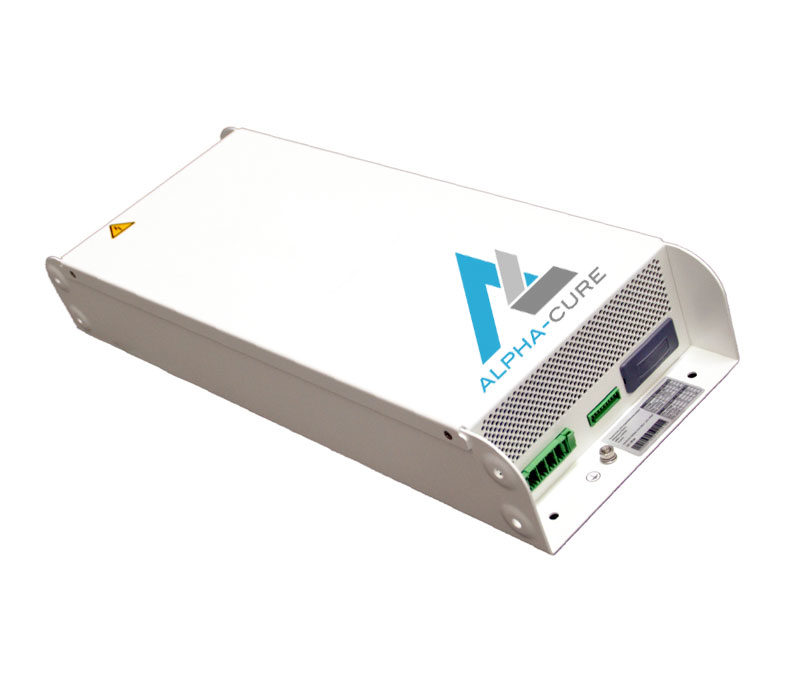 Power supplies rarely get attention until something fails. Yet unstable power delivery directly affects lamp output, consistency and system reliability.
Warning signs include:
-
Flickering or unstable output
-
Difficulty striking lamps
-
Overheating or audible noise
A degraded power supply can mimic lamp failure and lead to unnecessary lamp changes.
Maintenance checks
-
Monitor output stability
-
Inspect connections and cooling
-
Check for error codes or overheating
When to replace
-
When output becomes inconsistent
-
If faults repeat after basic servicing
Why This Matters on the Production Floor
When accessories degrade, operators often compensate without realising it by:
-
Increasing power
-
Slowing line speeds
-
Accepting inconsistent cure
This costs time, energy and product quality.
Routine inspection, cleaning and timely replacement of UV system accessories keeps:
-
UV output consistent
-
Energy consumption under control
-
Lamps operating at their intended lifespan
Keep the Whole System Working, Not Just the Lamp
If you are already investing in quality UV lamps, it makes sense to protect that investment by maintaining the components around them.
Reflectors, quartz tubes, cooling tubes and power supplies are consumable parts. Treating them as such reduces downtime and avoids hidden performance losses.
If you are unsure whether an accessory needs cleaning or replacement, or you want to source like-for-like components built to the correct specification, Contact Us
We can help you identify, maintain and replace the UV system accessories that keep your curing process stable, efficient and predictable.
Latest Articles
What Actually Happens Inside a Medium-Pressure UV Lamp?
A medium-pressure UV lamp produces ultraviolet radiation by creating an electrical discharge through...
View ArticleAre Cheap UV Curing Lamps Really Cheaper in the Long Run?
Are Cheap UV Curing Lamps Really Cheaper in the Long Run? Not necessarily. While a cheaper UV lamp m...
View ArticleWhen are UV Lamps Classified as Dangerous Goods? Everything you need to know
Everything You Need to Know About Shipping Mercury UV Lamps Safely You order a UV lamp. It gets pack...
View ArticleFaulty UV Lamp? Here’s How Alpha-Cure Makes the Returns Process Simple and Efficient
When a UV lamp fails unexpectedly, production downtime can be frustrating and costly. At Alpha-Cure,...
View Article