
Most UV systems don’t fail dramatically.
They drift.
And that quiet drift is where performance, confidence, and consistency start to slip.
This is where the risk window comes in.
What Is the Risk Window?
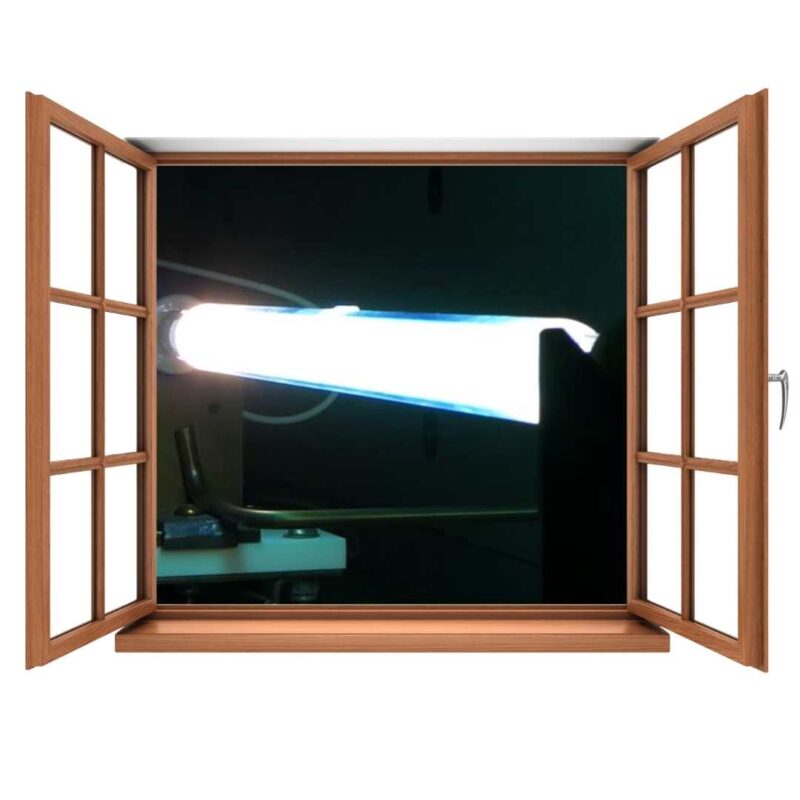
UV lamps rarely stop working without warning.
Instead:
-
They continue to light
-
They appear operational
-
They stay in service
But their usable UV output gradually declines. For high quality lamps such as Alpha-Cure’s this should only happen long after their warrantied lifetime hours but this decline creates a period where everything still looks fine, yet performance is no longer where it should be. This period is the risk window.
The thing to note is that the risk window starts long before the lamp goes out.
Why the Risk Window Matters
Because issues don’t wait for failure.
During the risk window, systems may need:
-
Reduced operating speeds or flow rates
-
Additional checks or monitoring
-
Extra interventions to maintain performance
The challenge is that these adjustments often get blamed on the system, the process, or external factors, rather than the lamp itself.
By the time a lamp finally fails, the real cost has often already been paid in lost efficiency, added workload, or operational uncertainty.
Monitoring Is How You Shrink the Risk Window
The most effective way to manage the risk window isn’t guesswork. It’s visibility.
Simple, routine tracking makes the difference:
-
Logging lamp reference numbers
-
Recording usage hours
-
Performing regular output or efficiency checks
-
Tracking cleaning and maintenance activity
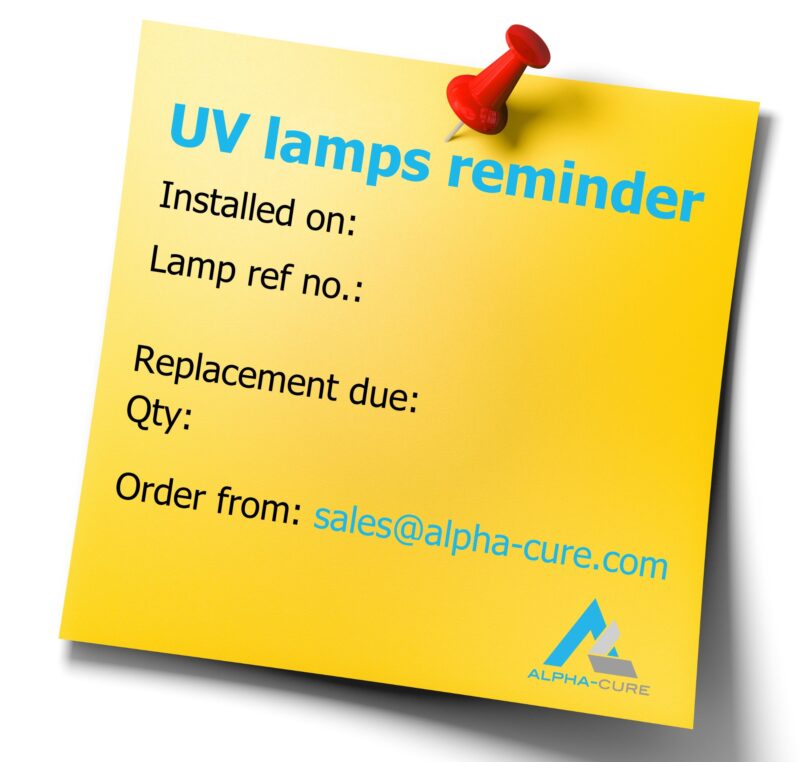
This turns lamp management from reactive replacement into proactive control.
Download our Lamp Monitoring Guide
Stock Planning Is Also Part of Risk Management
Lamp monitoring only works when it’s backed by the right stock strategy.
Holding the appropriate level of lamps and reflectors ensures that when performance reaches a planned change point, action can be taken immediately.
Without stock:
-
Lamps are run longer than intended
-
Risk windows widen
-
Decisions get delayed
With stock:
-
Maintenance is planned
-
Changes are controlled
-
Systems stay predictable
Good stock planning isn’t about holding more.
It’s about holding the right items at the right time.
Control Beats Surprise
The goal isn’t to change lamps early or often.
It’s to change them with confidence.
By understanding the risk window, monitoring lamp performance, and maintaining sensible lamp and reflector stock levels, operators gain control over outcomes instead of reacting to them.
Because when it comes to UV systems:
The risk window starts long before the lamp goes out.
Latest Articles
What Actually Happens Inside a Medium-Pressure UV Lamp?
A medium-pressure UV lamp produces ultraviolet radiation by creating an electrical discharge through...
View ArticleAre Cheap UV Curing Lamps Really Cheaper in the Long Run?
Are Cheap UV Curing Lamps Really Cheaper in the Long Run? Not necessarily. While a cheaper UV lamp m...
View ArticleWhen are UV Lamps Classified as Dangerous Goods? Everything you need to know
Everything You Need to Know About Shipping Mercury UV Lamps Safely You order a UV lamp. It gets pack...
View ArticleFaulty UV Lamp? Here’s How Alpha-Cure Makes the Returns Process Simple and Efficient
When a UV lamp fails unexpectedly, production downtime can be frustrating and costly. At Alpha-Cure,...
View Article